
HONEY BASICS
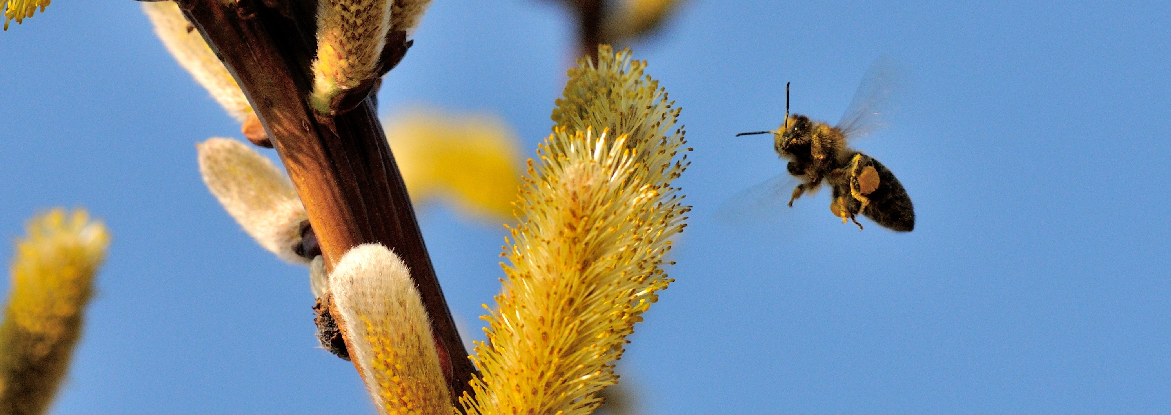
Honey production is a complex process that requires extensive bee work for its production. Actually, one bee will produce only 1/12 of a teaspoon of honey during its lifetime (6 weeks). In order to produce about half a kilo of honey, bees would have to collect nectar from 2 million flowers and travel more than 88,000 kilometers. Honey can be divided into two main categories, on the basis of its botanical origin, flower honey and honeydew honey:
Flower honey: Nectar of flower blossoms and other plants is the basic plant sap. Its main production in Greece is considered to be almost constant on an annual basis and mostly comes from the plains of Thessaly, Macedonia and Thrace, filled with cotton, sunflowers and clover. Other type of flower honey is thyme honey, chestnut honey, orange honey and heather honey.
Honeydew honey: A sugary sap derived from plant pests that suck the sap of plants, especially coniferous trees. The main honeydew honeys are pine honey, fir honey and oak honey.
Honey composition and organoleptic properties are vital parameters for determining its quality. Its properties vary considerably depending on its botanical origin, geographical area, weather conditions and flora. It is therefore easy to see that greek honey is characterized by great diversity due to the combination of the complex biodiversity along the greek countryside.
When it comes to greek honey, two honeys have been given a Protected Designation of Origin (PDO) status by the European Commission: the pine honey of Crete and the vanilla Mainalon fir honey.